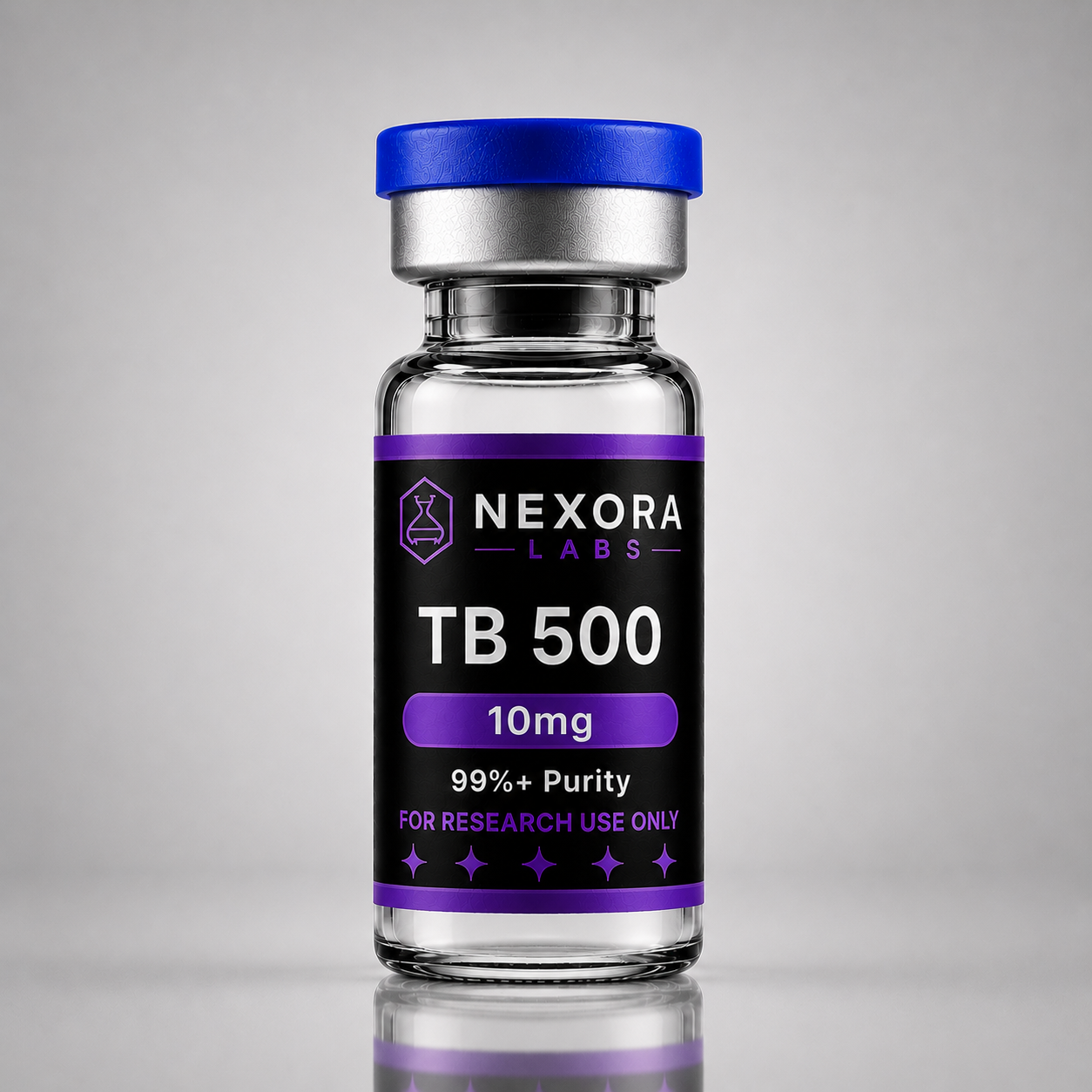
TB 500
TB-500 is the synthetic active region of Thymosin Beta-4.
- Vial Size
- 10mg
- Molecular Weight
- 888.0 g/mol (Ac-SDKP region)
- Half-life
- ~2–3 hours active fragment; depot effect up to days
- Latest Lot Purity
- 99.62%
Mechanism of Action
TB-500 is the synthetic active region of Thymosin Beta-4. Research focuses on actin sequestration, cellular migration, and the upregulation of regenerative cell populations at sites of mechanical stress.
Research Context
- Soft tissue and ligament repair models
- Cardiac and dermal regeneration research
- Inflammation modulation studies
- Endothelial migration assays
Ac-Ser-Asp-Lys-Pro-Asp-Met-Ala-Glu-Ile (active fragment)
Plasma Profile & Protocol
Modelled plasma concentration over time, reconstitution calculator, and a literature-derived research protocol for TB 500.
Illustrative Bateman model derived from published half-life and absorption data. For research-context visualisation only.
Solve for syringe units assuming a U-100 insulin syringe. Defaults seeded from the TB 500 monograph.
U-100 insulin syringe assumed (100 units = 1 mL). For research dosing visualisation only. Verify all dilutions independently.
- Typical Dose
- 2–5 mg
- Frequency
- Twice weekly
- Cycle Length
- 4–6 weeks loading, then maintenance
- Route
- Subcutaneous
Note ·Loading phase typical in connective-tissue repair studies.
Related Compounds
All compounds →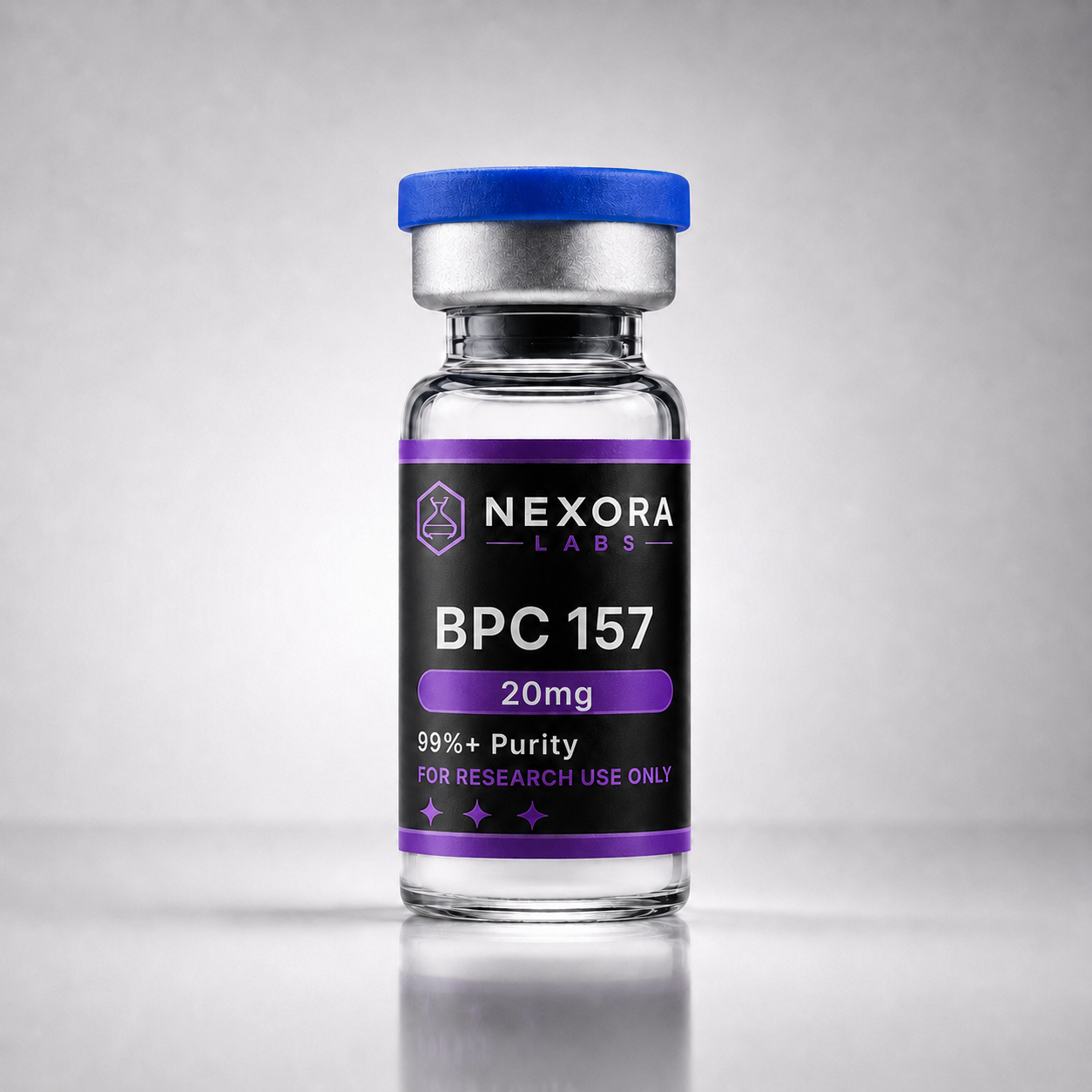
BPC 157
Research peptide used across tissue and recovery models.
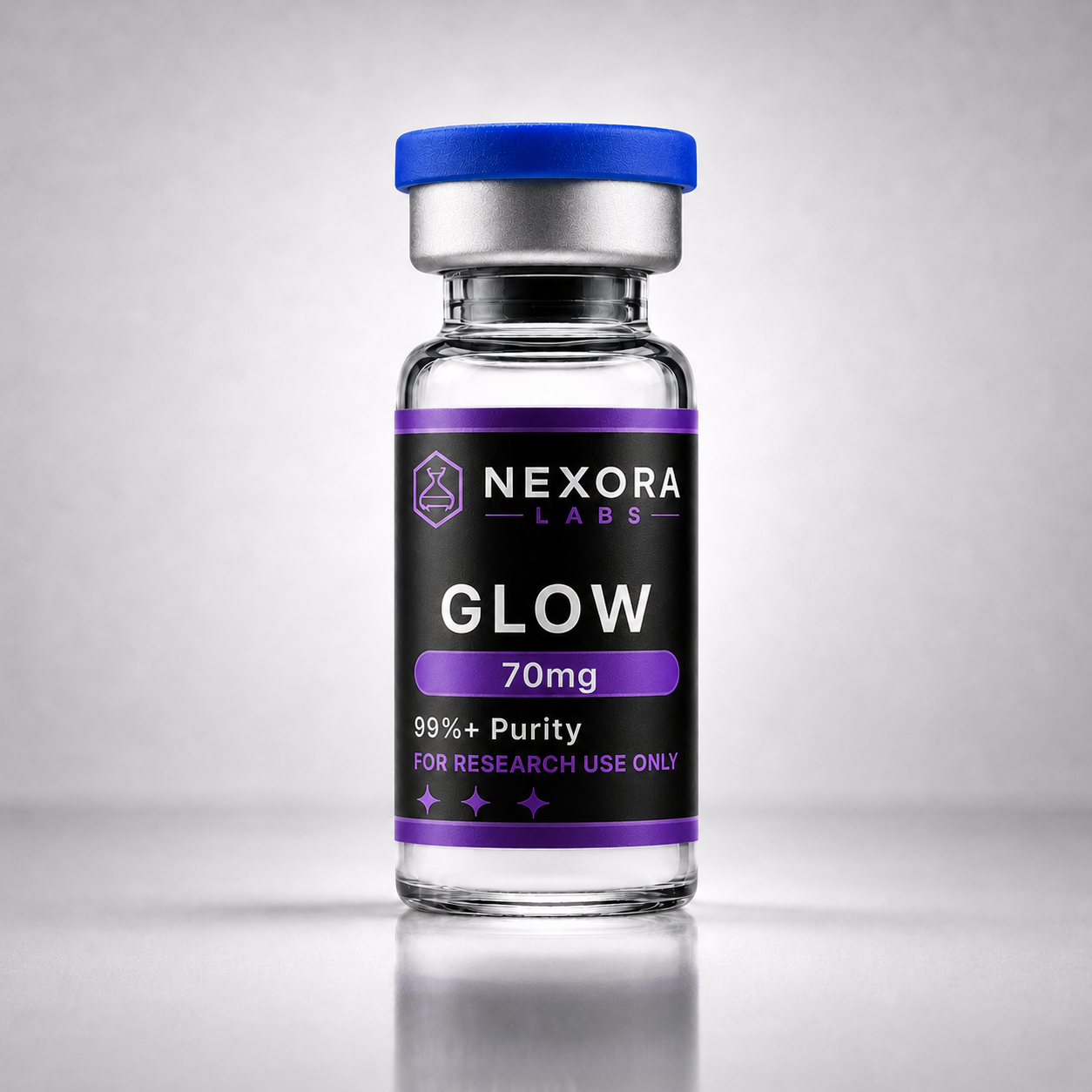
GLOW
Three-peptide regeneration blend · BPC-157 + TB-500 + GHK-Cu
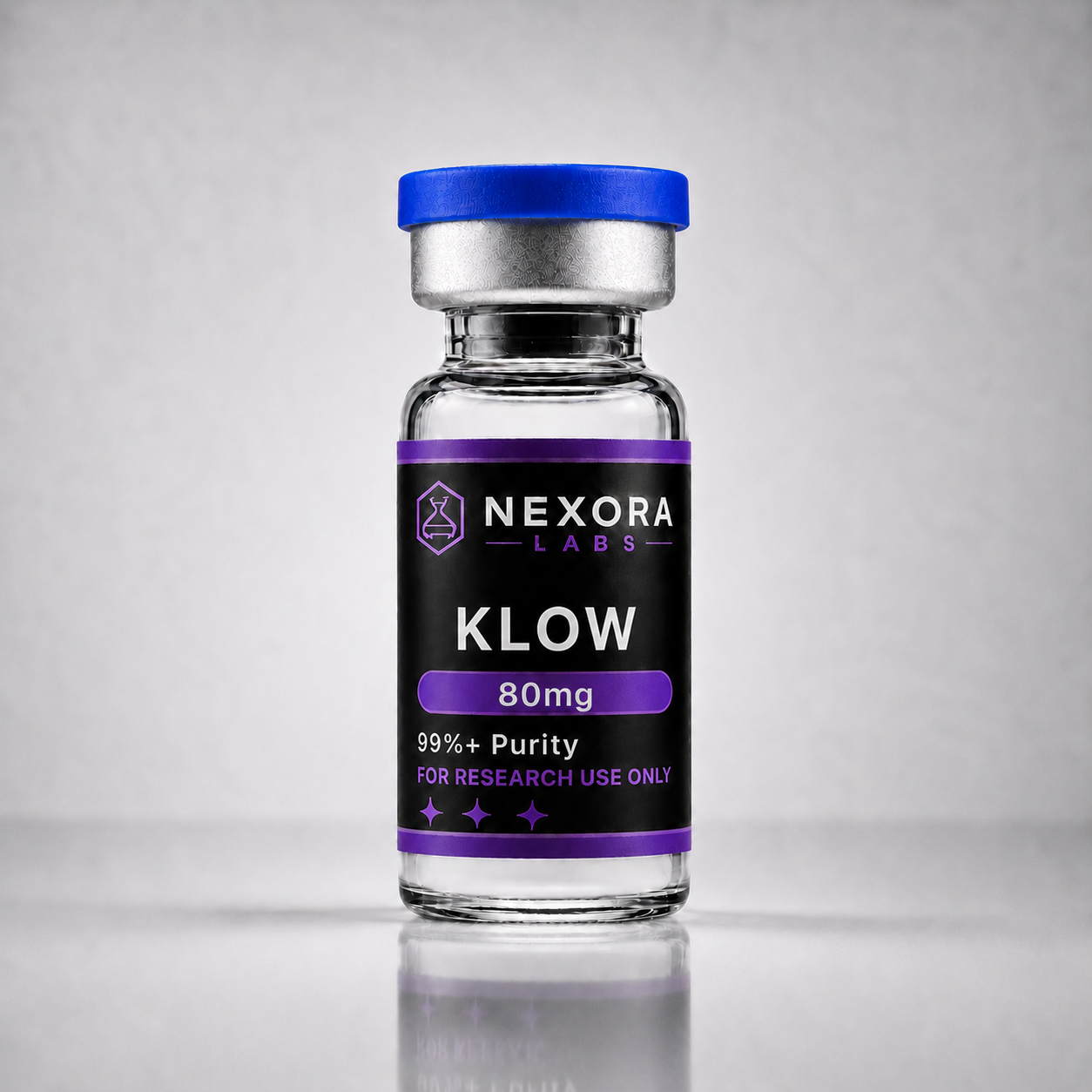
KLOW
Four-peptide recovery matrix · GHK-Cu + TB-500 + BPC-157 + KPV
For Research Use Only · This monograph summarises publicly available research literature for educational, in-vitro and laboratory research purposes only. Nexora Labs products are not drugs, food, supplements, or cosmetics, and are not intended to diagnose, treat, cure or prevent any condition.